

 Address:
Introduction to Cleaning Knowledge of Carbon Steel Flanges
During the heating and cooling process of carbon steel flanges, due to the inconsistent cooling rate and time between the surface and core, a temperature difference is formed, which can lead to uneven volume expansion and contraction, resulting in stress, namely thermal stress. Under the action of thermal stress, due to the lower initial temperature of the surface layer compared to the core, the contraction is greater than that of the core, causing the core to be stretched. When the cooling is completed, the surface layer is compressed and the core is stretched due to the inability of the core to freely undergo volume contraction after cooling. Under the thermal stress of the carbon steel flange, the surface of the workpiece is compressed while the core is stretched in the later stage. This phenomenon is influenced by factors such as cooling rate, material composition, and heat treatment process. The faster the cooling rate, the higher the carbon content and alloy composition, and the greater the uneven plastic deformation caused by thermal stress during the cooling process of carbon steel flanges, resulting in larger residual stresses
How to clean carbon steel flanges in application? Below, let's talk about relevant knowledge in detail:Firstly, in the closed state, there is still some residual medium in the valve body, which is also subjected to corresponding pressure. Before repairing the carbon steel flange, the shut-off valve in front of the carbon steel flange should be closed first, and the carbon steel flange that needs to be repaired should be opened to fully release the internal pressure of the valve body. If it is an electric carbon steel flange or pneumatic ball valve, the power and gas sources should be disconnected first
2. Generally, PTFE is used as the sealing material for soft sealed carbon steel flanges, while the sealing surface of hard sealed ball valves is made of metal overlay welding. If it is necessary to clean the pipeline ball valve, caution should be taken during disassembly to prevent damage to the sealing ring and leakage Thirdly, if cleaning the valve, the solvent used should not conflict with the parts to be cleaned and should not corrode. If it is a carbon steel flange for gas use, it can be cleaned with gasoline. Other components can generally be cleaned with water 4. When disassembling and assembling carbon steel flanges, the bolts and nuts on the flange should be fixed first, and then all nuts should be slightly tightened and firmly fixed with force. If individual nuts are forcibly fixed first, and then other nuts are fixed, uneven distribution between the flange surfaces may cause damage or rupture of the gasket surface, resulting in leakage of the medium at the valve flange joint Fifth, when cleaning, all residual dust, oil stains, and other attachments should be thoroughly cleaned. If they cannot be cleaned with clean water, targeted cleaning agents such as alcohol can be used without damaging the valve body and components. After cleaning, wait for the cleaning agent to completely evaporate before assembling 6. Before use, clean the pipeline and valve body with water to prevent residual iron filings and other debris from entering the valve body cavity 7. If slight leakage is found at the packing during use, the valve stem nut can be tightened slightly until the leakage stops, and cannot be further tightened Carbon steel flanges have excellent compression performance in terms of design stress. However, due to various factors, the actual wall thickness of underfloor heating pipelines is usually the same. At this wall thickness, various pipelines can meet the requirements of underfloor heating. Therefore, the pressure resistance advantage of national standard carbon steel flanges cannot meet the requirements of underfloor heating. Reflective; Thermal conductivity: Pipes used for floor heating require good thermal conductivity, low-temperature thermal shock resistance, and low-temperature impact resistance. The heating range for local preheating on both sides of the weld seam is 150-200mm. When conditions permit, it is advisable to use alkaline electricity. If stress relief heat treatment cannot be carried out after welding, post weld heat treatment should be carried out immediately What are the treatments required for quenching carbon steel flanges 1. Quenching and tempering treatment: The heat treatment method of high-temperature tempering after quenching is called quenching and tempering treatment. High temperature tempering refers to tempering between 500-650 ℃. Carbon steel flange quenching and tempering can greatly adjust the function of steel and raw materials, and its strength, plasticity, and durability are all good, with outstanding inductive mechanical functions Secondly, aging treatment: In order to remove the changes in scale and shape of excellent measuring tools, molds, and parts during long-term use, the workpiece is often reheated to 100-150 ℃ after low-temperature tempering (low-temperature tempering temperature of 150-250 ℃) before precision machining, and maintained for 5-20 hours. This treatment is called aging to stabilize the quality of excellent parts Thirdly, it is particularly important to perform aging treatment on steel components under low temperature or dynamic load conditions to remove residual stress, stabilize the arrangement and scale of hot pressed elbows During the heat treatment process of carbon steel flanges, due to the change in microstructure from austenite to martensite, the increase in specific volume will be accompanied by the expansion of the workpiece volume, and various parts of the workpiece will undergo phase transformation successively, resulting in inconsistent volume growth and tissue stress. The later results of organizational stress changes are surface tensile stress and core compressive stress, which are exactly opposite to thermal stress. The magnitude of organizational stress is related to factors such as the cooling rate, shape, and chemical composition of the material in the martensitic transformation zone of the workpiece
Taichang Foundation, Dedication in Action
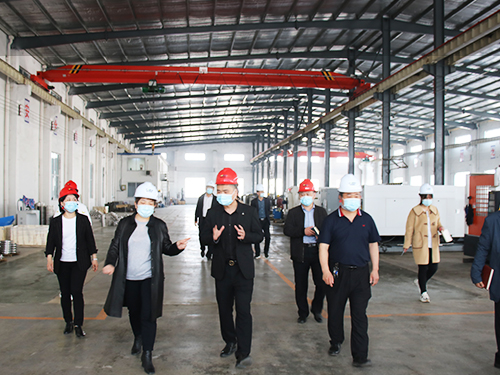
Superior care promotes the development of Taichang Group
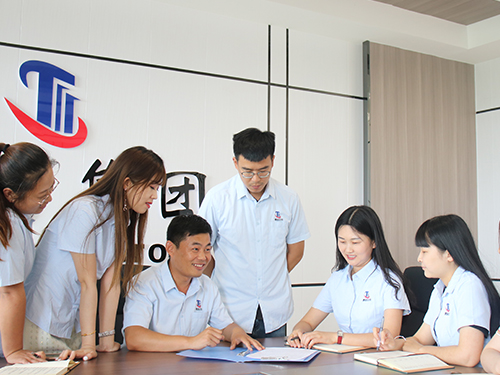
Taichang Achieves Every Struggler
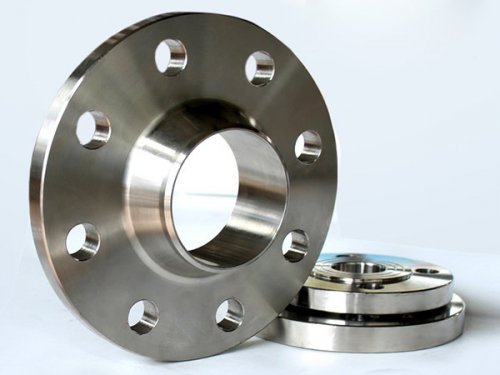
Introduction to Cleaning Knowledge of Carbon Steel Flanges
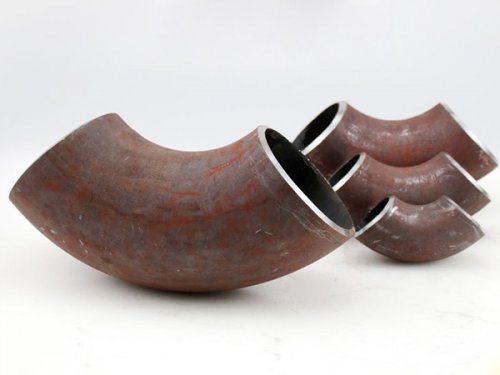
Explain the advantages of heat treatment process for carbon steel elbows
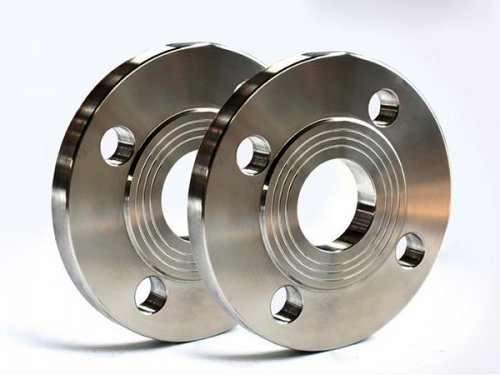
How to install stainless steel flat welding flange normally